Tick Season Is Here And More Dog Parents Are Rethinking How They Handle It
By Sandra on April 7, 20265 min read
Spring is beautiful. The walks get longer, the trails open up, and your dog is living their best life with long sniffy walks! But with warmer weather comes nature in full bloom and the dreaded tick season! Maybe this year you've started asking questions about what you're actually putting on or in your dog to prevent them.
A growing number of holistic veterinarians are encouraging dog parents to take a closer look at what's out there. This isn't about fear-mongering conventional treatments. It's about being informed and knowing your options.
Why the Conversation Is Shifting
The EPA categorizes many spot-on flea and tick treatments as pesticides. While they're widely used, there have been documented adverse reactions in some dogs — neurological symptoms, tremors, GI issues, and even behavioural changes. That doesn't mean every dog will react, but it does mean the conversation is worth having.
Dr. Becker — a proactive and integrative wellness veterinarian and co-author of The Forever Dog — takes the approach that prevention should start with your dog's overall health. Her philosophy: a healthy dog with a strong immune system is naturally less attractive to parasites. Nutrition comes first. A balanced, species-appropriate fresh-food diet and limited exposure to environmental toxins form the foundation. Everything else is layered on top.
The Natural Toolkit
Apple Cider Vinegar (ACV) Spray
One of the more popular natural options that's recommended is a DIY spray: 8 ounces of pure water, 4 ounces of organic unfiltered ACV, and 20 drops of neem oil. In tick-heavy areas, they suggest adding a few drops of lemongrass, eucalyptus, or geranium essential oil, too.
The honest truth: Scientific studies on ACV as a tick repellent for dogs are limited. Lots of anecdotal support from dog owners, but ACV may help repel ticks — it doesn't kill them. It's a deterrent, not a treatment.
Neem Oil
Neem has natural insecticidal properties and has been used for centuries in traditional medicine. It's considered safe for dogs when properly diluted and is a key ingredient in Dr. Becker's DIY spray recipes.
Essential Oils (Used With Caution)
Cedarwood, lemongrass, geranium, and lavender are commonly used for tick repellency. A USDA study found cedarwood oil was as effective as DEET against black-legged tick nymphs.
Caveat: Always dilute properly, never apply near the eyes or mouth, use therapeutic-grade oils, and consult your vet. If you have cats in the home, be especially cautious.
Apple Cider Vinegar (ACV) Spray
Dr. Becker shares a simple DIY spray recipe for dogs on her website:
8 oz pure water
4 oz organic, unfiltered apple cider vinegar
20 drops neem oil
Optional: 5 drops of ONE essential oil (lemon, lemongrass, eucalyptus, or geranium) for extra tick protection
Add all ingredients to a spray bottle and shake well. Spritz your dog before heading outdoors — avoid the face — paying special attention to the legs, belly, and neck. Reapply every four hours as needed.
Fresh Garlic — Controversial but Worth Knowing About
I want to be really transparent: I have not personally tried this, and I'm not recommending you go do it. But the information is out there in the holistic vet community, so here's what I've found.
Dr. Becker and other holistic vets suggest very small amounts of fresh, raw garlic — about ¼ teaspoon per 15 pounds of body weight — may help make dogs less appealing to parasites. The controversy? Garlic belongs to the Allium family and, in large quantities, can damage red blood cells. Conventional vets generally list it as toxic.
However, holistic practitioners argue the most cited studies used extracts or massive doses — not the tiny dietary amounts they recommend. A 2018 study in BMC Veterinary Research found aged garlic extract at appropriate doses was safe and showed antioxidant benefits in dogs.
The big caveats:
Never give garlic to puppies under six months, pregnant/nursing dogs, or dogs with anemia
Akitas and Shiba Inus are more sensitive and should avoid it entirely
Only fresh, raw garlic — never powder or processed forms
The helpful dose and the harmful dose are uncomfortably close
This is a talk to your holistic vet first situation. I'm just sharing the full picture, not telling you what to do!
Pumpkin Seeds
Pumpkin seeds contain cucurbitacin, which may help create a gut environment less hospitable to intestinal parasites. Great for overall gut health, but I didn't find strong evidence that they repel ticks specifically. A solid dietary addition — just not your tick strategy.
What Natural Remedies Can and Can't Do
Natural repellents can make your dog less attractive to ticks, but they are repellents, not guarantees. They don't kill ticks and don't prevent tick-borne diseases the way pharmaceuticals do.
If you're in a high-risk area for Lyme or other tick-borne illnesses, natural methods alone may not be enough. Some vets suggest alternating chemical preventatives with natural deterrents as a practical middle ground and supporting your dog's liver with herbs like milk thistle if chemical treatments are used.
The One Thing No Remedy Replaces: The Tick Check
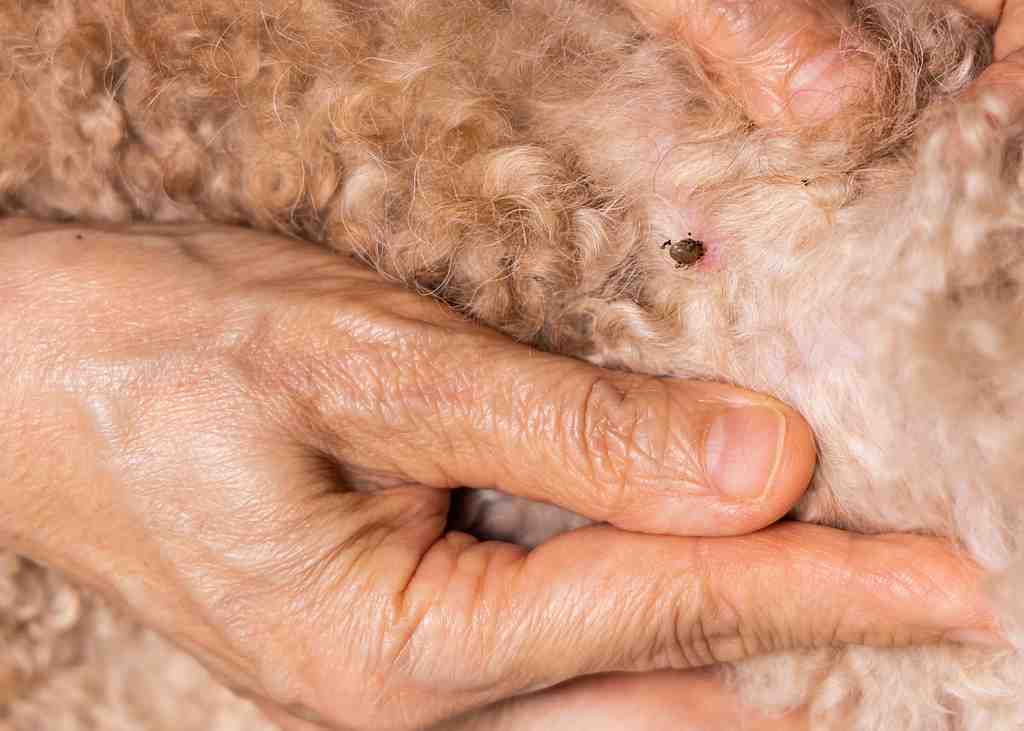
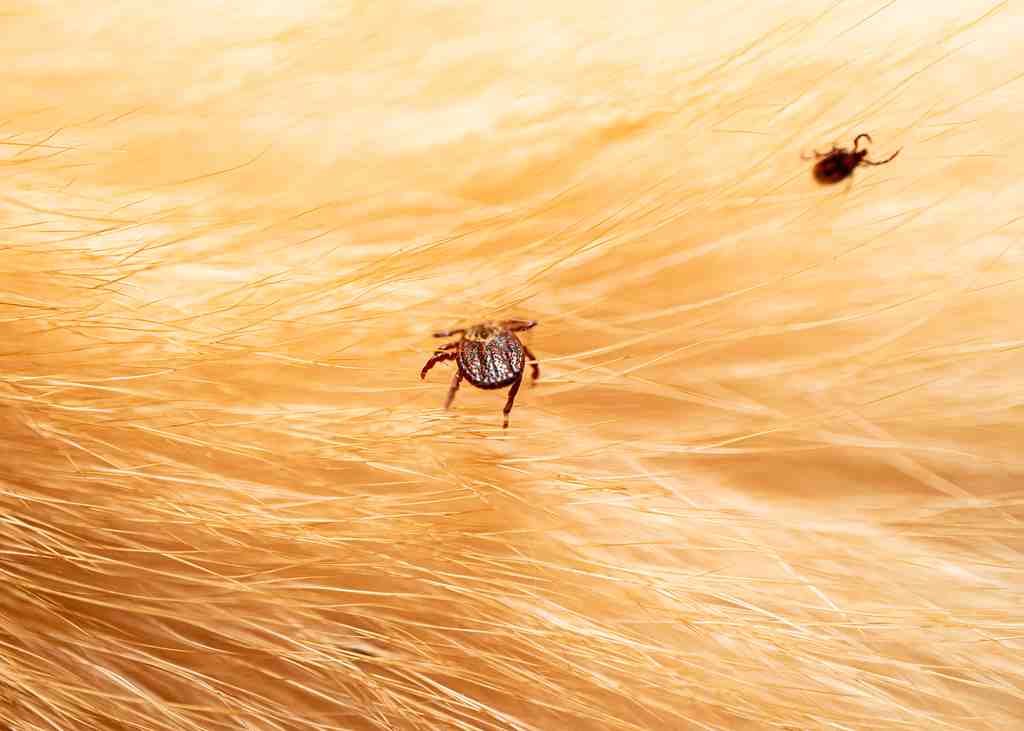
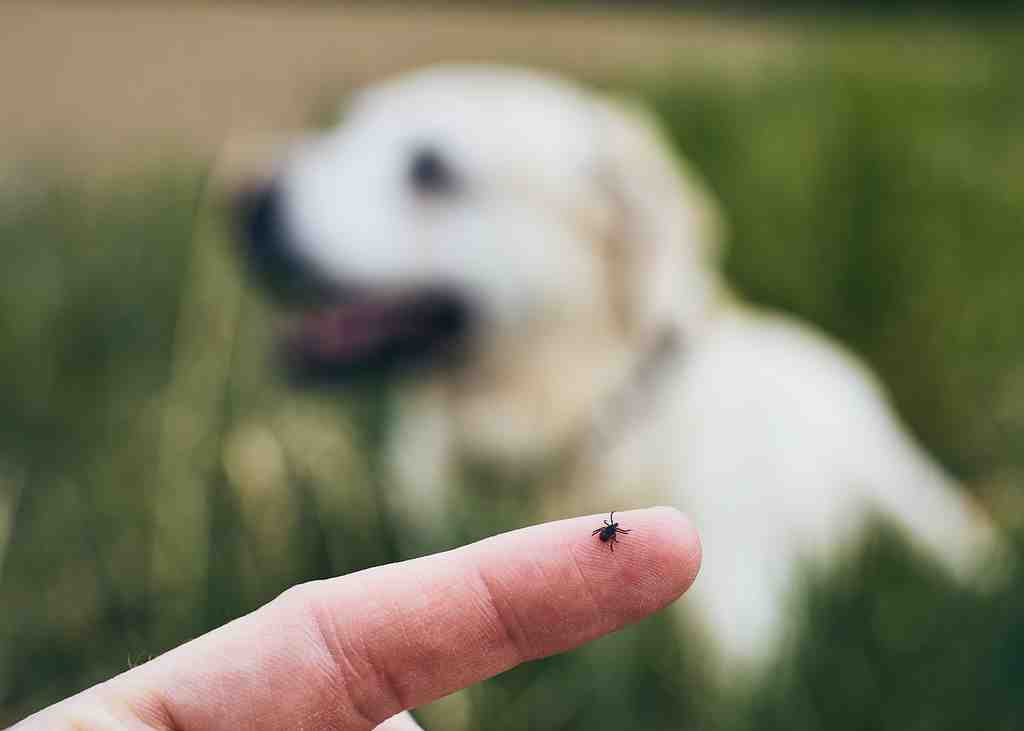
Nothing replaces a physical tick check after every outdoor adventure. Check everywhere: ears, between toes, under legs, around the tail. A comb or tick mitt helps. Most tick-borne diseases take hours to transmit after attachment, so finding ticks quickly is one of the most effective things you can do.
Holistic vets can also recommend screening for tick-borne diseases once or twice yearly with something like the SNAP 4Dx Plus test, especially in higher-risk areas.
Please also remember that dogs, including males, have nipples on their belly area, and sometimes people confuse these for ticks!! Know the difference :)
Stay safe this season — and don't forget to check those ears and toes! 🐾
This post is for informational purposes only and does not replace veterinary advice. Always consult your vet before changing your dog's parasite prevention protocol.


 By Sandra on April 7, 2026
5 min read
By Sandra on April 7, 2026
5 min read

.png)